Why Study in India?
Over the past few decades, India’s higher education system has seen rapid expansion and development. There are thousands of higher education institutions in India that you can choose from, offering high quality degree programs in a variety of fields. India was home to the first university in the world, as well as the inventor of the digit 0.
You will find 9 Indian institutions in the 2023 QS World University Rankings top 500. The highest ranked of these is the Indian Institute of Science, which is placed at =155th. The next Indian institution in the rankings is the Indian Institute of Technology Bombay (IITB), which is placed at 172nd. Many of India’s universities are internationally ranked, proving that India works hard to provide quality education.
The Indian education system has a particular pedigree for technology and management studies programs. Because of this, there are many specialised institutions. There are also Indian universities that offer courses in other fields of study, you are bound to be able to pursue your degree in India!
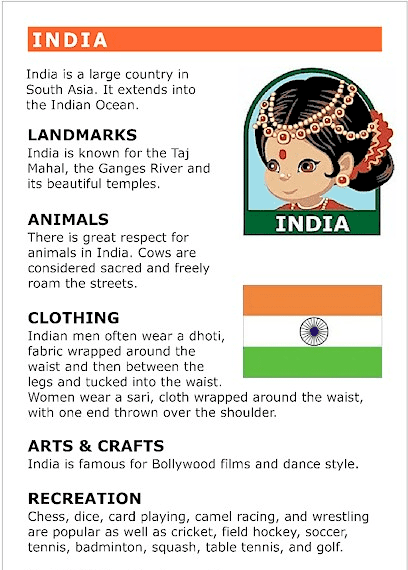
About India
Why Study in India from Nepal is a great choice?
Located in South Asia and home to over 1.2 billion people, India is the second most populous country in the world. It shares a land border with Pakistan, Nepal, Bangladesh, China, Bhutan and Myanmar. It is also surrounded by the Indian Ocean, the Arabian Sea and the Bay of Bengal.
There are five main types of higher education institutions in India. These are:
- Central universities: controlled by the central government
- State universities: governed by one of the country’s regions
- Deemed universities: high-performing institutions with equal status to universities
- Institutes of National Importance (INI): funded by the central government, these include the Indian Institutes of Technology, and the Indian Institutes of Management
- Private universities: privately established and funded institutes of higher education.
India is now known as a communication hub, and is attractive due to its forward thinking. You will find the headquarters of many international companies located in India. These include Ford, Suzuki and Coca Cola. With impressive architecture and the ability to appease all five of your senses, students will enjoy a whole new cultural experience. Famous Indians include the civil rights leader Mahatma Gandhi, and the actor Mohammad Ali (not to be confused with the boxer!). If you choose to study in India, make sure to sample as much of the cuisine as you can, as the style of food varies across the country.
India is a ‘megadiverse’ country, and contains three regions known as ‘biodiversity hotspots. You will find 9% of all mammals living in India, as well as 6% of all flowering plants. This is partly due to the varying terrain and climate in the country. The habitats range from coniferous forests in the Himalayas to tropical rainforests. Temperatures tend to be mild all year round, with heavy rainfall in the tropic climate areas.
Study in India: Tuition Fees & Scholarships
Most Indian schools charge between $3,300 and $7,800 per academic year, regardless of the level of study. Degrees that require the frequent use of facilities, like medicine or engineering, will generally veer towards the higher end of this spectrum. As for PhD students, positions are generally unpaid but do come with a monthly stipend of at least 25,000INR ($340)
There is financial help available from the Indian government, but only after you’ve been in India for three consecutive years. This is why you need to provide evidence of financial self-sufficiency when applying for a study visa.
As for scholarships, they are plentiful. The Indian government is actively seeking to encourage and recruit international students. It’s no secret that the Indian government wants to make the country as popular a study abroad destination as the US or the UK.
The most prestigious of these is the Study in India Scholarship. The scholarship offers a completely free ride for recipients and can be awarded for up to five academic years. There is a monthly cap on living costs, but it’s a high one. The scholarship even includes free Hindi lessons, giving you a strong launch pad into the world’s second-largest labor market. This scholarship is unfortunately not open to those with Pakistani passports.


Cost of Studying and Living in India
India uses the Indian Rupee (INR) as its currency.
Indian universities are permitted to set their own tuition fees, so they will vary at the different institutions. International students should expect to pay between INR 250,000 and INR 600,000 per year for degree courses. Whilst these tuition fees are relatively low, you may be eligible for a scholarship. To find out more, visit the National Portal of India website, where you will find details of funding and grants.
It is common for institutions to offer low cost student accommodation, which is the cheapest option. Renting privately is still relatively cheap. A one-bedroom flat in a city such as Mumbai will cost around 15,000 INR per month, with the annual living cost starting from INR 130,000. If you are in India on a student visa, you will not be permitted to work during your studies, so you will need to make sure you budget well.
Another cost that international students need to consider is health insurance. If you wish to study in India you will need a valid health insurance policy. If you have health insurance in your home country, you should check that it would be valid for your stay. If you do not have health insurance in your home country, you need to purchase a policy for your study duration. Your chosen institution will be able to provide information about this.
Indian Student Visas
A Nepali student don’t require visa to study in India due to open border policy between Nepal and India. However, you might need a valid passport in case university demands it. And all other except those who have ties with India may require a visa to study in India. Student visas are either issued for the duration of your degree program, or for a maximum of 5 years. You can apply for a visa at either the Indian embassy or High Commission in your home country. To obtain a visa, you need to have an unconditional offer from an Indian university, as well as other supporting documents such as your passport with at least six months validity remaining.
Language
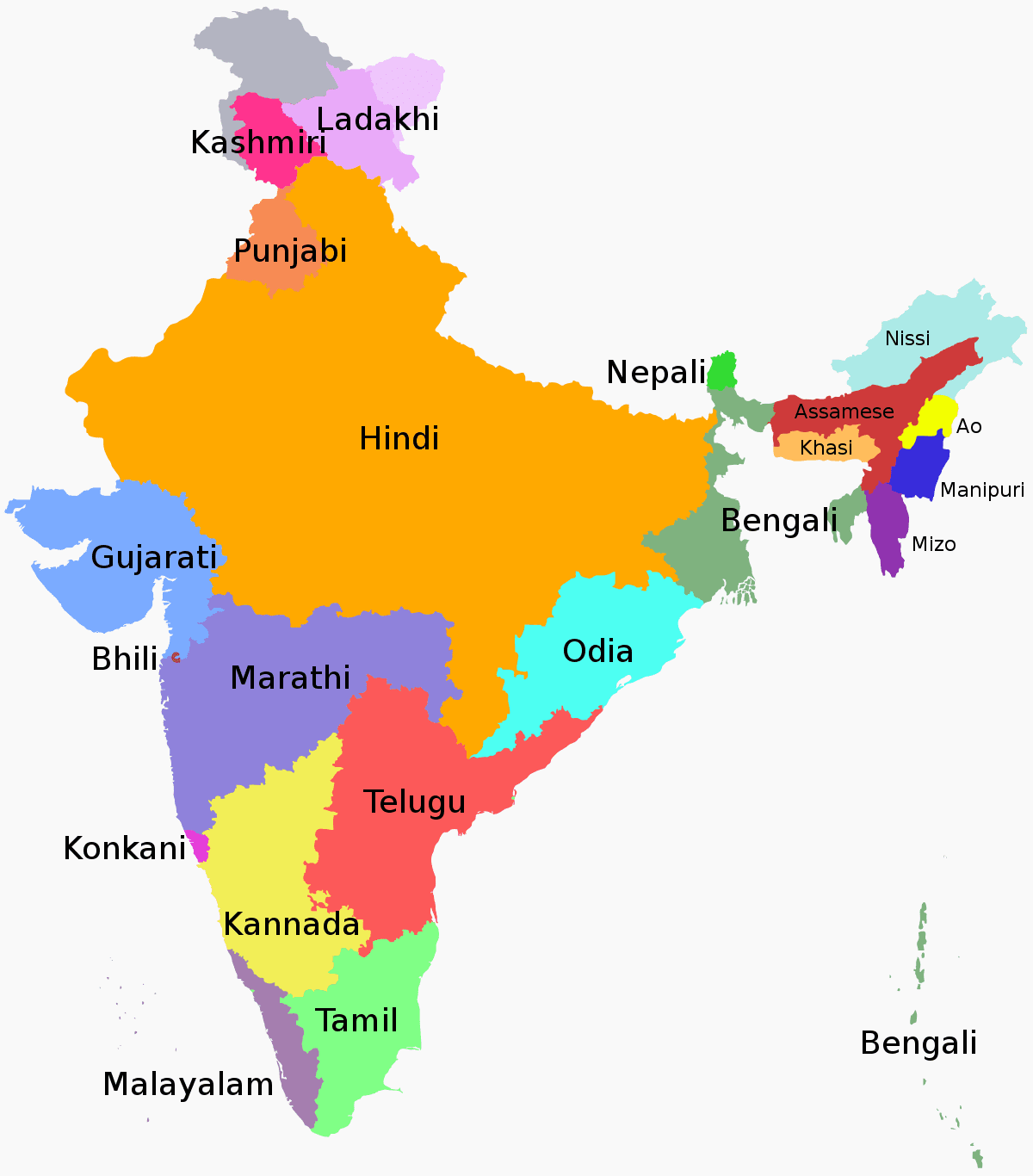
India has no national language, but does have two official languages; Hindi and English.
Many Indian citizens speak English, as it is seen as an important business and education language. Hindi has the largest amount of speakers in India, and is the language of the government. On top of these two official languages, you will hear other regional languages spoken throughout the country.
All university courses are taught in English, making higher education in India accessible for international students. If English isn’t your native language, you may have to sit a proficiency test to prove you meet the required standards. If you do not meet the standards, it is common for institutions to offer English language courses to help you improve.
Even if you study in English, you should still try to learn as much of the local language as possible. This will make your everyday life easier, and communicating with the locals and other students is a great way to practice. Having experience of another language is a skill that looks fantastic on your CV/resume!
Study in India: Application Process
India uses a national application portal: Your 5 Steps to Study in India. You can apply for up to three different programs through it. The limit is three: either three different programs or three different schools. PhD applications are made directly to individual schools.
To apply through the national portal, you will need to register some basic personal details. You will then come to an upload page. There, you upload your academic transcripts, your letter of motivation, your evidence of English proficiency (unless you’re from an Anglophone country recognized as such by the Ministry of Education) and any other documents your school might want. If your documents aren’t in Hindi or English, you’ll need to provide the originals along with a notarized translation.
PhD applications follow a broadly similar process, but you must also include an academic CV. PhD applications normally work like job adverts, in that they are sent out in response to a particular vacancy or position.
PhD applicants must also complete a discipline-specific Research Eligibility Test (RET). The RET ensures that you have the know-how to succeed in your chosen field. You’ll need to submit the results of this test as part of your application.
The deadline for applications shifts a little each year, but it generally falls towards the end of January in the academic year before your chosen course starts.
Speak with our career counselling experts
To get in touch with our expert career counselling team, simply leave your details below for a FREE consultation.